Most HVAC problems are not equipment failures. They are the result of habits and assumptions that seem reasonable but work against the system rather than with it. After nearly a decade of summer service calls throughout Asheville and western North Carolina, the same patterns show up repeatedly. Here is what they are and what to do differently.
Setting the Thermostat Too Low Thinking It Cools Faster
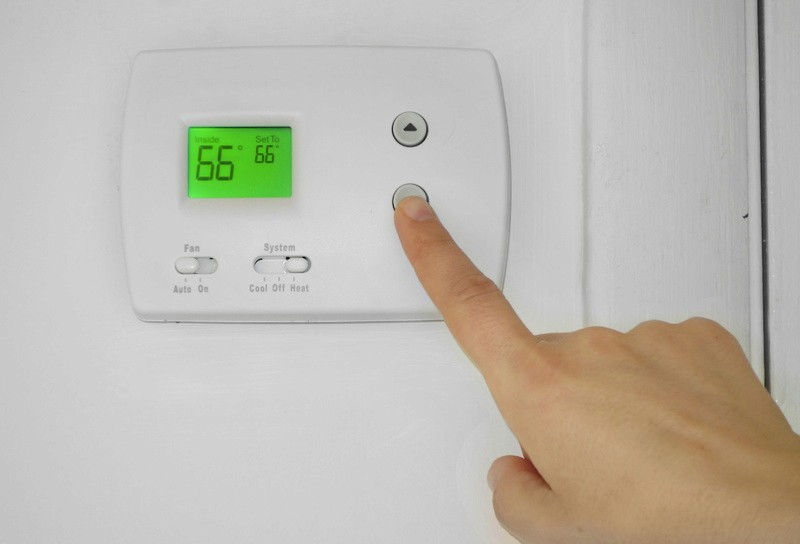
This is the most common thermostat misunderstanding in residential HVAC. A thermostat is a switch, not a throttle. Setting it to 65 degrees does not cool the home faster than setting it to 74. It just means the system runs longer before shutting off, because it has further to go before satisfying the setpoint.
In Asheville's humid summer conditions, running the system longer than necessary to reach an artificially low setpoint also increases the dehumidification load and energy consumption without improving comfort proportionally. Set the thermostat to the temperature you actually want and let the system reach it at its own pace.
Closing Vents in Unused Rooms
The logic seems sound: if no one is using the guest room, close the vent and redirect that cooled air somewhere else. The problem is that residential duct systems are not designed to work that way. Closing vents increases static pressure in the duct system, which forces the blower to work harder against more resistance, reduces airflow across the evaporator coil, and can cause the coil to ice over in humid conditions.
In Asheville's older homes with already compromised ductwork, adding pressure restrictions by closing vents compounds existing distribution problems rather than solving them. Leave vents open throughout the home and address room-by-room comfort issues through proper balancing rather than restriction.
Skipping the Filter Change Through Summer
Spring pollen in western North Carolina runs heavy from February through May, and it loads HVAC filters faster than most homeowners track. A filter that was changed in April may be significantly restricted by June, which is exactly when the system needs maximum airflow to handle summer demand.
Check the filter at the start of June regardless of when it was last changed. If it has been more than 60 days and pollen season was active in that window, replace it. A clean filter going into the hardest months of the cooling season costs a few dollars. A service call for reduced cooling capacity caused by a clogged filter costs considerably more.
Ignoring the Outdoor Unit
The condenser unit sitting outside the home gets very little attention from most homeowners until it stops working. Through spring, it accumulates pollen, cottonwood, grass clippings from nearby mowing, and in some Asheville neighborhoods, debris from overhanging trees and shrubs. All of that accumulation on the coil fins reduces the unit's ability to reject heat into the outdoor air.
Once a summer, turn the system off, inspect the outdoor unit, and rinse the coil fins with a garden hose from top to bottom. Trim any vegetation that has grown within 18 inches of the unit on any side. Check that the unit is sitting level on its pad, since settling over winter can affect refrigerant distribution in some systems. These are not technical tasks. They take twenty minutes and noticeably affect summer performance.
Waiting Until the System Fails Completely to Call for Service
This one costs Asheville homeowners more than any other habit on this list. A system that is struggling in June, running longer than normal cycles, failing to reach the setpoint on hot afternoons, producing weaker airflow than it did last summer, is telling you something. The underlying cause is almost always less expensive to address in June than in late July when every HVAC company in western North Carolina is running at capacity and the home has been uncomfortable for six weeks.
A diagnostic call when the system is underperforming but still running gives a technician options. A capacitor caught before it fails completely is a simple replacement. A refrigerant leak found before it empties the system entirely is a repair. The same issues discovered after the system shuts down on a 90-degree afternoon become emergency service calls with longer wait times and more potential for secondary damage.
Running the System With the Wrong Fan Setting
Most thermostats have two fan settings: auto and on. Auto runs the blower only when the system is actively cooling. On runs the blower continuously regardless of whether the system is in a cooling cycle.
Running the fan continuously in Asheville's humid summer sounds like it should help by circulating air, but it works against dehumidification. When the system is not in an active cooling cycle, the evaporator coil warms back up. Running the blower across a warm coil re-evaporates the moisture that was just condensed off the air during the previous cooling cycle and puts it back into the living space. The result is higher indoor humidity despite the system running.
Set the fan to auto during Asheville's humid months. If air circulation is a concern in certain rooms, a ceiling fan is a better solution than running the HVAC blower continuously.
Not Accounting for WNC's Shoulder Season Conditions
June in Asheville is not July in Charlotte. Mornings are often cool enough that the system does not need to run, afternoons warm enough that it does, and the transition between those conditions happens quickly. Homeowners who set a fixed cooling schedule based on flat-terrain summer patterns end up overcooling on cool mornings and undercooling on warm afternoons.
A programmable or smart thermostat that adjusts to actual conditions rather than a fixed schedule handles Asheville's variable June weather more efficiently than a static setpoint. If you are not already using one, it is one of the more cost-effective upgrades available for improving comfort and reducing energy consumption through WNC's unpredictable early summer weeks.
For AC service, maintenance, or repair throughout Asheville and western North Carolina, see our AC Repair page or call Alpine Air at 828-537-0735.